




This guest article is from the team at 99Signs, located in Nyack, NY.
NYACK, NY – For shopping centers, visibility is not just a design issue. It is a business issue.
A successful retail property depends on people being able to see it, understand it, navigate it, and feel confident entering it. Long before a customer walks into a store, orders a meal, books an appointment, or visits a service business, they make a quick decision from the road or parking lot: Can I find what I’m looking for?
That decision often happens in a matter of seconds.
For property owners, tenants, and customers alike, signage plays a critical role in shaping that first impression. A well-designed shopping center sign system can help drivers identify the property earlier, help tenants stand out more clearly, and help visitors move through the site with less confusion. When signage is outdated, cluttered, difficult to read, or poorly placed, a shopping center may be losing opportunities before customers ever reach the front door.
For retail properties in Rockland County, Bergen County, and surrounding communities, this is especially important. Many shopping centers sit along busy roads where drivers are moving quickly, traffic is heavy, and competing businesses are fighting for attention. In that environment, a sign is not simply a marker. It is a communication tool.
Why the First Few Seconds Matter
Every shopping center has a visibility challenge.
A driver passing by needs to recognize the property, identify the businesses located there, and decide whether to turn in. A returning customer may already know where they are going, but a first-time visitor may be scanning signs, storefronts, entrances, and parking areas all at once. If the property’s signs do not communicate clearly, the customer experience can become frustrating before the visit begins.
That confusion can affect everyone connected to the property.
For tenants, poor visibility can mean fewer walk-ins, less brand recognition, and more difficulty competing with neighboring businesses. For customers, unclear signage can create missed turns, slow navigation, and unnecessary stress. For property owners, inconsistent or aging signs can make an otherwise valuable center look less organized, less modern, or less professionally managed.
Strong signage helps solve these problems by making the property easier to notice, easier to understand, and easier to use.
Signage Is Part of the Shopping Center Experience
Many people think of shopping center signage as a single roadside sign. In reality, a strong sign system works across the entire property.
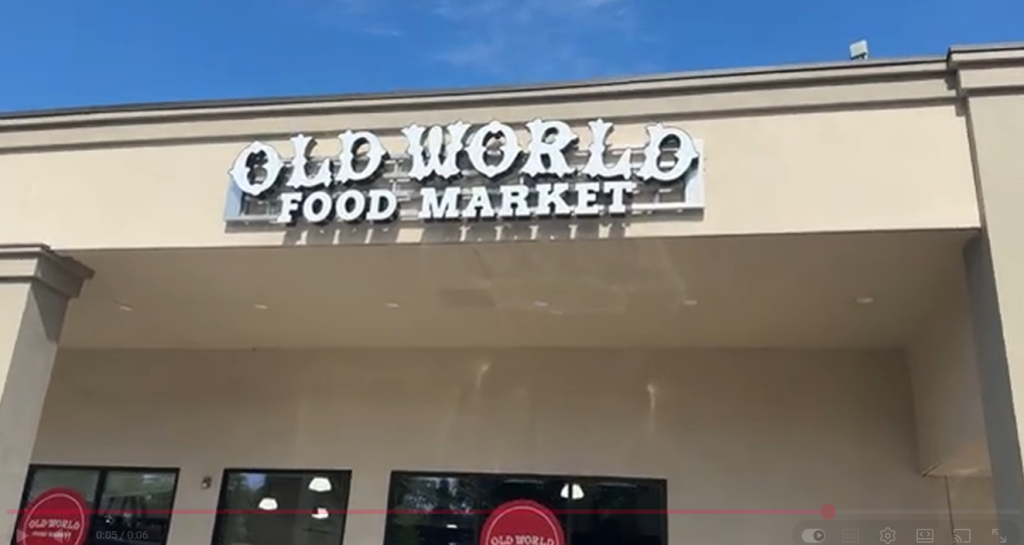
It may begin with a pylon or monument sign near the road, continue with tenant panels that identify the businesses inside, guide customers through directional signs, and finish with storefront signs that help each business create its own identity. Building signs, channel letters, window graphics, and wayfinding signs all contribute to the overall experience.
When these signs work together, they create a smoother journey from the road to the parking lot to the storefront.
That journey matters because customers do not always arrive with perfect information. They may know the name of a store but not its location. They may be looking for a restaurant, medical office, salon, fitness center, bank, or professional service and need to identify it quickly. They may be comparing several nearby options and making a fast decision based on convenience and appearance.
In each case, signage helps answer the customer’s most basic question: “Am I in the right place?”
1. Pylon Signs That Get the Property Noticed Earlier
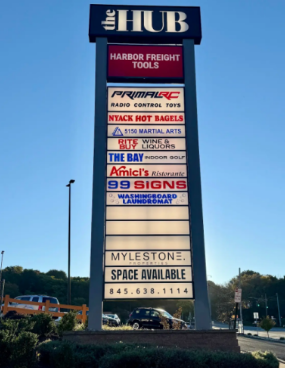
A pylon sign is often one of the most important signs on a retail property because it communicates with people before they reach the entrance.
For shopping centers located along major roads, a pylon sign can help drivers recognize the center from a distance. Its job is not only to display the property name, but also to show which businesses are located there. When organized properly, it gives customers enough information to make a decision quickly and safely.
A strong pylon sign should be readable, balanced, and easy to understand. Tenant names should not feel cramped. Lettering should be large enough for passing traffic. The layout should help the eye move naturally from the property identity to the tenant listings.
When pylon signs become faded, crowded, or outdated, they can lose their effectiveness. A sign that was once highly visible may no longer reflect the quality of the property or the businesses inside. Updating a pylon sign can help a shopping center appear more current and can improve visibility for tenants who depend on roadside exposure.
2. Tenant Panels That Give Every Business a Better Chance to Be Seen
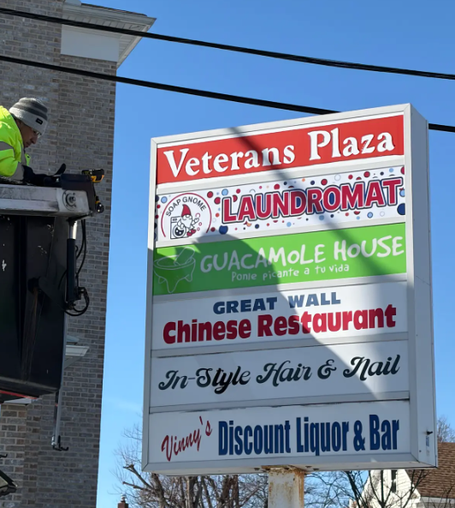
Tenant panels are one of the most practical parts of a shopping center sign system. They help customers understand which businesses are located on the property and give each tenant a place in the overall presentation of the center.
For shopping centers with multiple businesses, tenant panels must be clear and consistent. If some panels are hard to read, poorly matched, damaged, or visually inconsistent, the entire sign can appear disorganized. This can make it harder for customers to identify the businesses they are looking for and may weaken the professional image of the property.
Well-designed tenant panels help create fairness and visibility across the property. Each business receives a clear listing, while the overall sign remains organized and readable.
They also make tenant changes easier to manage. Retail centers evolve over time. Businesses open, relocate, expand, or leave. A signage system designed with future updates in mind can help property owners make changes faster and more cost-effectively when occupancy changes occur.
3. Storefront Signs That Help Tenants Stand Out
Once customers enter a shopping center, storefront signs take over.
In a busy retail environment, businesses are often competing for attention side by side. Restaurants, salons, medical offices, boutiques, service providers, and national brands may all share the same property. Without strong storefront signage, even a good business can blend into the background.
A storefront sign helps establish identity. It tells customers where a business is located, reinforces the brand, and communicates professionalism. For new tenants, storefront signage is one of the fastest ways to introduce themselves to the public. For established tenants, it helps maintain recognition and trust.
The best storefront signs are visible, brand-appropriate, and aligned with the character of the property. They should attract attention without creating visual clutter. They should help the tenant stand out while still respecting the shopping center’s overall standards.
This balance is important. A shopping center with no design consistency can feel chaotic. A center with overly restrictive or outdated sign standards can make tenants difficult to see. The goal is to create signage that supports both individual business visibility and the property’s overall appearance.
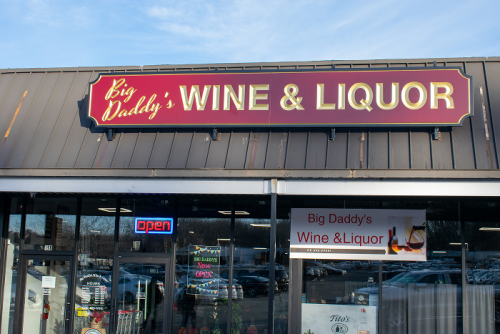
4. Channel Letters That Create a Professional, Dimensional Look
Channel letters are a popular signage option for retail businesses because they add depth, structure, and visual impact.
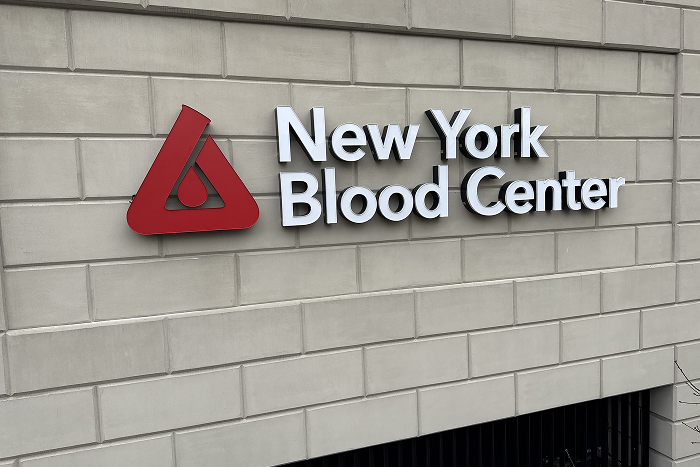
Unlike flat signs, channel letters are dimensional. They can help a business look more established and polished, especially when installed on a storefront or building facade. For shopping centers, channel letters can also improve the appearance of the entire property by creating a cleaner and more professional visual environment.
Channel letters are especially useful for businesses that need strong brand recognition. Restaurants, fitness centers, medical offices, banks, salons, and destination retailers can all benefit from signage that is easy to recognize and visually distinct.
For customers, dimensional signage can make a business easier to identify from the parking lot or walkway. For property owners, it can elevate the overall appearance of the center and create a stronger impression of quality.
The result is more than decoration. Good channel-letter signage helps connect brand identity with physical location, making it easier for customers to find and remember a business.
5. Signage That Works Within Property Standards
Shopping center signage must do more than look good. It also needs to work within the rules and standards that govern the property.
Many retail centers have landlord requirements, architectural guidelines, local sign regulations, and design standards that tenants must follow. These rules are important because they help maintain consistency, safety, and long-term property value. At the same time, tenants still need visibility.
The best signage solutions bring those needs together.
A properly planned sign can help a business stand out while still fitting the property’s approved look. This may involve choosing the right materials, colors, scale, lighting, placement, and installation method. It may also require coordination between the tenant, property owner, sign company, and approval authorities.
When this process is handled carefully, signage becomes less stressful for everyone involved. Tenants receive signs that support their business. Property owners maintain control over the appearance of the center. Customers benefit from a cleaner, more organized environment.
6. Building Signs That Reinforce Destination Tenants
Some tenants need to be seen from farther away.
Anchor tenants, destination businesses, large-format stores, medical facilities, restaurants, and high-traffic service providers often serve as major reasons customers visit a shopping center. Their signage should make them easy to identify before customers park or walk through the property.
Building signs can help reinforce these destination tenants. When placed well, they guide customers visually across the property and help reduce confusion. This is especially helpful in larger shopping centers, centers with multiple buildings, or properties where storefronts are not immediately visible from the road.
For property owners, strong building signage can also support the overall leasing strategy. When major tenants are visible and well-presented, the center can feel more active, more established, and easier to navigate.
What Better Shopping Center Signage Can Improve Right Away
A thoughtful signage update can create immediate benefits across a retail property.
First, it can improve roadside visibility. Drivers are more likely to notice a property when the main sign is clear, updated, and easy to read. This is especially important on busy roads where people have limited time to react.
Second, it can improve tenant exposure. Clear tenant panels, storefront signs, and building signs help businesses become easier to discover. This matters for both new tenants trying to build awareness and established tenants trying to maintain traffic.
Third, signage can improve navigation. Directional signs, directories, and clear building identification help visitors move through the property with greater confidence. A customer who can quickly find the right entrance, storefront, or parking area is more likely to have a positive experience.
Fourth, signage can improve the appearance of the property. A clean, organized, modern sign system can make a shopping center feel better maintained and more professionally managed. That impression can influence tenants, customers, and prospective businesses evaluating the property.
Finally, a flexible sign system can make future tenant updates easier. Since retail centers change over time, property owners benefit from signage that can be adjusted when new tenants arrive or existing tenants change locations.
Why Outdated Signs Can Hold a Property Back
Even when a shopping center has strong tenants, outdated signage can weaken its impact.
A faded sign may suggest neglect. A crowded tenant directory may be difficult to read. A plain storefront sign may fail to communicate the quality of the business inside. A confusing layout may cause customers to miss an entrance or drive past the center entirely.
These issues are not always dramatic, but they can add up.
Customers may not consciously think, “This sign is outdated.” Instead, they may simply fail to notice the center, assume the business is not there, or choose a more visible competitor nearby. In retail, those missed moments matter.
Signage should reflect the value already present on the property. If the businesses inside are active, professional, and customer-focused, the exterior communication should support that message.
A Complete Signage System Works Better Than a Single Sign
One of the most important lessons for shopping center owners is that signage works best as a system.
A pylon sign may attract attention from the road, but it cannot do everything. Tenant panels help identify businesses, but they must be readable. Storefront signs help customers confirm where to go, but they should fit the property’s standards. Directional signs help visitors navigate, but they must be placed where decisions are actually made.
When each part of the system supports the next, the shopping center becomes easier to understand.
This is why planning matters. A signage project should consider the full customer journey, including how people approach the property, where they turn in, where they park, how they identify tenants, and how they move from one part of the center to another.
A sign system that is planned around real customer behavior can create a better experience than one assembled piece by piece without a larger strategy.
How 99signs Helps Shopping Centers Improve Visibility

99signs works with shopping centers throughout Rockland County and Bergen County to create signage systems designed for real retail properties. The company provides support for monument signs, pylon signs, tenant directories, directional signage, storefront graphics, channel letters, building signs, installation, maintenance, and related signage needs.
For property owners and managers, working with one team from design through installation and maintenance can help simplify the process. Instead of coordinating separate vendors for design, fabrication, updates, and repairs, a complete signage partner can help keep the project organized from start to finish.
For tenants, professional signage can help improve visibility and strengthen brand presentation. For customers, it can make the property easier to find and easier to navigate. For property owners, it can support a cleaner, more polished, and more marketable shopping center.
Turning Retail Properties Into High-Visibility Shopping Destinations
A shopping center’s visibility is one of its most valuable assets.
The businesses inside may offer excellent products, services, food, care, or convenience, but customers still need to find them. Signage bridges that gap. It connects the road to the parking lot, the parking lot to the storefront, and the storefront to the customer experience.
For shopping centers with outdated, plain, or unclear signage, an upgrade can be more than a cosmetic improvement. It can become a practical investment in tenant success, customer convenience, and property presentation.
Whether the need is a stronger pylon sign, cleaner tenant panels, more visible storefront signs, dimensional channel letters, compliant property signage, or building signs for destination tenants, the goal is the same: make the property easier to notice, easier to navigate, and easier to remember.
For shopping centers in Rockland County and Bergen County, that visibility can make a meaningful difference.
To learn more about shopping center signage solutions, contact 99signs.
99signs
Turning Retail Properties Into High-Visibility Shopping Destinations
Call: (845) 400-9326
Website: 99Signs
Address: 376 NY-59, Nyack, NY 10960