
By Thomas Brady, Sports Correspondent
ORANGEBURG, NY – A New York girls Gaelic football team with deep Rockland roots traveled to Ireland this summer for the 2026 John West Féile Peile na nÓg, turning a youth sports tournament into a weeklong story of training, family, heritage and pride.
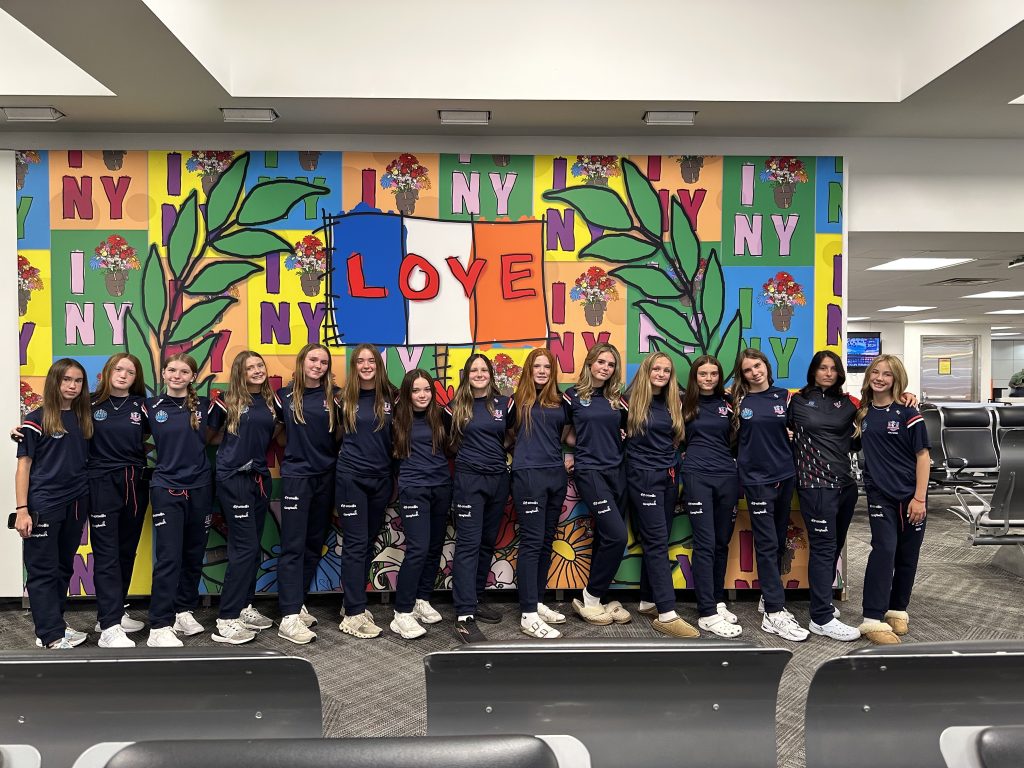
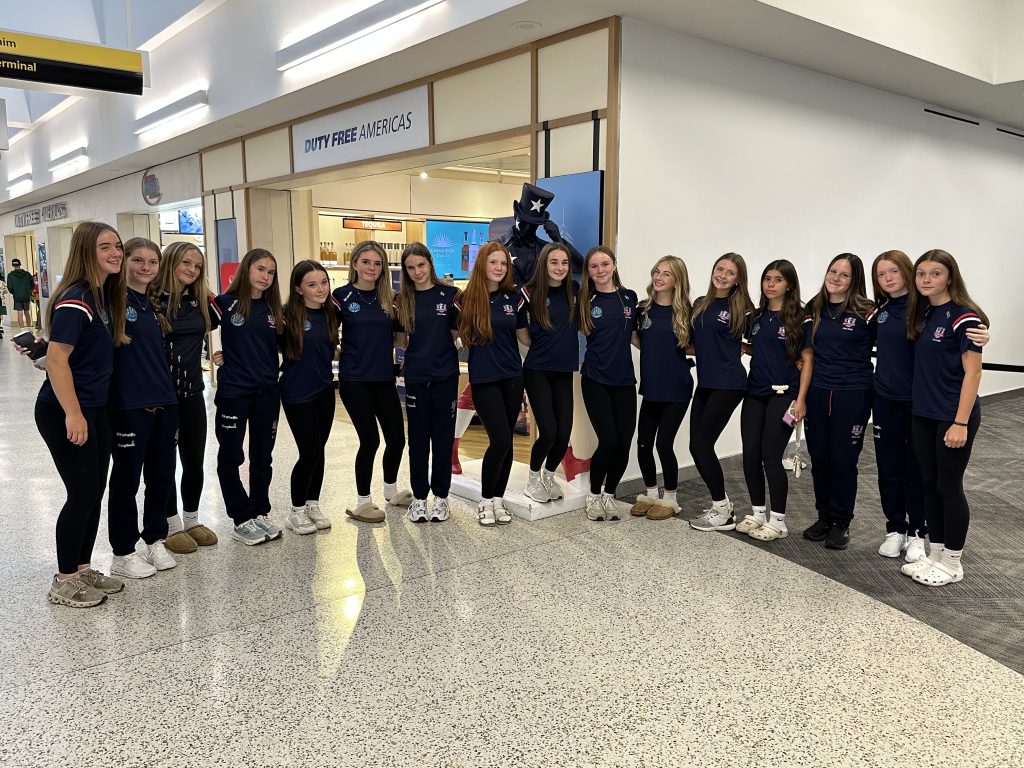
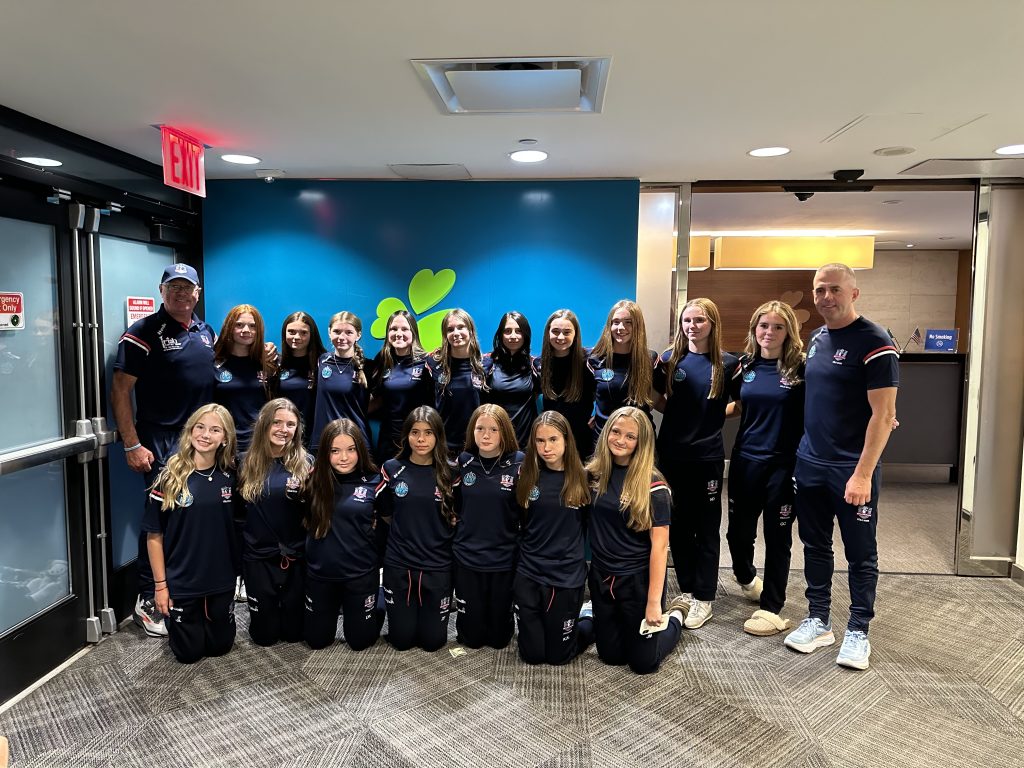
The New York State Girls Féile football team, made up of 14-year-old players competing in an Under-15 division, included a major Rockland presence. According to Tom Brady, host of Rockland News’ All Things Sports Podcast, roughly half of the all-star roster came from Rockland GAA in Orangeburg. The team’s head coach, Mark Comerford, and trainer, Colum Donnelly, also came from the Rockland program.
Féile Peile na nÓg is one of the major youth showcases in Gaelic games, bringing young Gaelic football and Ladies Gaelic football players together from across Ireland and from international GAA communities. The 2026 football finals were held in Derry, with participating teams competing in a one-day national festival built around competition, participation and lifelong memories.
For New York, the trip represented far more than a tournament bracket.
“This is the story of the 2026 New York State Girls Féile football team,” Brady said in his opening report, calling it a story “based out of New York, but heavy, heavy Rockland influence.”
The team was selected from five New York girls Gaelic football clubs: Shannon Gaels, Rangers, Sétanta, Rockland and St. Brigid’s. About 35 girls tried out, with 24 selected to travel to Ireland. Comerford said the decision-making process was difficult because there was little separation among the players, but the team had to keep numbers manageable because of travel and expenses.
Once selected, the players committed to months of preparation. Brady reported that the girls trained hard for roughly three months before leaving for Ireland, with Donnelly leading much of the physical and skills development. By the time the team arrived overseas, Brady said the players had improved “two or three steps” from where they were when the group first came together.
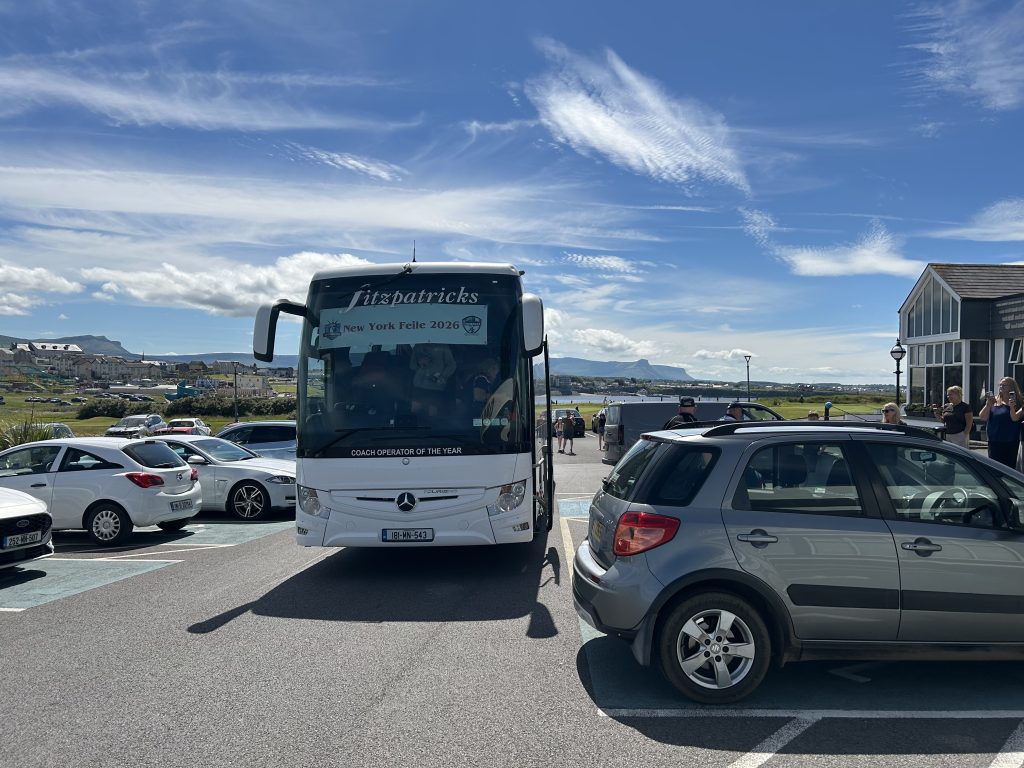
The New York team arrived in Ireland on Tuesday, June 23, and immediately entered a busy schedule. After landing, the girls traveled by bus to Bundoran, held team meetings, received uniforms, had dinner and went straight into their first scrimmage. The next several days mixed training, bonding and cultural experience. The girls took part in surfing lessons, visited an amusement park, practiced, and played scrimmages to stay sharp before tournament day.
One of the most meaningful tests came in a final scrimmage against a U16 team in Dromore, the home club of trainer Colum Donnelly. Despite being a 14-year-old team, New York battled to a 4-9 to 4-9 draw, a result Brady described as a tough match and the right final challenge before Féile play began.
Parents interviewed by Brady repeatedly pointed to the same themes: commitment, community and pride.
Barry Annette of Rockland GAA, whose daughter Mackenzie plays half forward, spoke about the special feeling of watching his daughter carry on a sport he grew up playing. Pat Keeney of Pearl River said his daughter Delia had been involved with Rockland GAA since she was four years old, and he hoped the trip would give her the same friendships and Ireland experience he saw others enjoy when he was younger.
Parents from Shannon Gaels also described the sacrifice behind the scenes. Mike and Marie Lina said their daughter Caoimhe traveled from Queens for practices, sometimes several times a week, while also balancing other Gaelic sports. Another Shannon Gaels family, Pauric Higgins and Evelyn Powers, said their daughter Caroline grew through the sport after first joining for friendship, then developing confidence and competitiveness.
Across the interviews, Brady returned to the role of families: the parents who drove to practices, supported the players through long weeks of training and helped make the Ireland trip possible.
On tournament day in Derry, New York faced difficult conditions and a demanding draw. Brady reported that the team dropped its opening match while struggling with the wind, then responded with a strong win in its second match to keep its playoff hopes alive. The third game became a win-and-advance situation, but New York fell short after digging itself into a first-half deficit. A second-half comeback brought the team close, but not far enough to move into the playoff round.
Still, Brady closed the coverage by emphasizing that the trip should not be measured only by the final result.
“This team, the story of the 2026 New York team, is all about effort, attitude and no excuses,” Brady said.
The New York girls did not return with a championship trophy, but they returned with something lasting: the experience of representing their clubs, their families and the New York Gaelic football community on Irish soil.
For Rockland GAA, the tournament was also another sign of how far the local program has come. Comerford said youth Gaelic football in New York has grown significantly over the years, with players now arriving at higher levels of understanding and skill than in past generations. That development was evident in the New York team’s ability to come together from multiple clubs and compete overseas against established programs.
The journey ended in Derry, but for the players, parents and coaches, the story continues back home in New York. The 2026 New York State Girls Féile team showed that Rockland’s Gaelic football community remains a major force in developing young athletes — and in keeping Irish games alive for the next generation.