





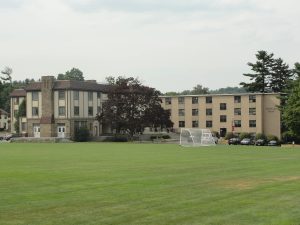
Upper Nyack, NY — A proposal to establish a 400-student Jewish day school at a former seminary property in Upper Nyack is under review as local officials and the applicant continue to disagree over the pace and scope of the approval process.
The project, which would repurpose an existing religious campus into an educational facility, has entered the environmental review stage, a standard requirement for developments of this size in New York State. The review is intended to assess potential impacts on traffic, infrastructure, environmental conditions, and the surrounding community before any final decisions are made.
Representatives for the applicant have raised concerns about how long the process is taking. They argue that the review is moving more slowly than expected and have suggested that additional studies or extended timelines may not be necessary. According to the applicant, delays could push the project timeline back by several months, affecting planning and potential opening dates.
Local planning officials, however, have indicated that the review process is proceeding according to established procedures. Environmental reviews often involve multiple steps, including public input, traffic and environmental assessments, and coordination with regional agencies. Officials have emphasized that these steps are required to ensure that any development aligns with zoning regulations and does not create unintended impacts for residents.
The proposed school would accommodate approximately 400 students, a size that has drawn attention from nearby residents and local stakeholders. Community concerns have focused on issues such as increased traffic, parking capacity, and the overall effect on neighborhood character. These topics are commonly addressed during environmental review, where data and public feedback are used to guide decision-making.
At the same time, supporters of the project have pointed to the potential benefits of repurposing an existing property for educational use. Converting a previously used religious site into a school could allow the property to remain active while serving a new function within the community. Proponents argue that educational institutions can provide stability and consistent use of land, particularly when located on properties that were already designed for institutional purposes.
The disagreement between the applicant and the planning board reflects a broader tension that can arise during development reviews. Applicants often seek timely decisions to move projects forward, while municipalities are tasked with ensuring that all regulatory requirements are met. In many cases, environmental review timelines depend on the complexity of the project and the level of detail required for analysis.
The applicant has indicated that legal options may be considered if delays continue. While no formal legal action has been announced, such statements suggest the possibility of future challenges related to how the review process is being conducted. Legal disputes in similar cases typically center on whether a municipality is following proper procedures or imposing requirements beyond what is necessary.
For now, the proposal remains in the review phase, with no final decision on approval or denial. Additional meetings, reports, and opportunities for public comment are expected before the planning board reaches a conclusion.
As the process continues, both sides appear to be maintaining their positions. The applicant is advocating for a more expedited review, while local officials emphasize the importance of a thorough and compliant evaluation. The outcome will likely depend on the findings of ongoing studies and the ability of both parties to address outstanding concerns within the regulatory framework.
The situation remains fluid, and further developments are expected as the review progresses.