
ROCKLAND COUNTY, N.Y. — Recent changes to home improvement contractor licensing rules in Rockland County have prompted discussion among lawmakers, industry professionals, and residents, following a vote by the county legislature to restructure how licensing is administered.
Under the updated framework, the existing Home Improvement Licensing Board will no longer operate as an independent decision-making body. Instead, authority over licensing matters will shift to the Rockland County Legislature, with the former board transitioning into an advisory role. The measure passed with strong support from legislators, though it has generated mixed reactions from the public and those directly affected by the changes.
Supporters of the restructuring say the move is intended to streamline the licensing process and improve administrative efficiency. They argue that placing authority with the legislature may allow for more direct oversight and accountability, while also simplifying procedures for contractors seeking licenses or renewals.
Opponents, however, have expressed concern about the potential loss of independence in the licensing process. Some contractors and residents worry that removing decision-making authority from a specialized board could reduce the role of industry expertise in evaluating applications and handling complaints. Others have questioned whether the shift could lead to increased political influence over what has traditionally been a regulatory function.
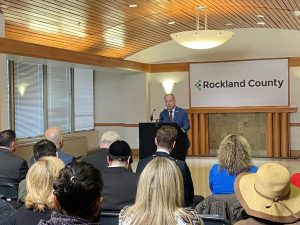
Public reaction to the changes has been notable. During a recent legislative meeting, residents and stakeholders voiced their opinions on both sides of the issue. The discussion became heated at times, reflecting the level of concern and interest within the community. At least one individual was removed from the meeting after tensions escalated.
The Home Improvement Licensing Board has historically been responsible for reviewing contractor applications, overseeing compliance with local regulations, and addressing disputes involving licensed professionals. Its transition to an advisory capacity means it may still provide input and recommendations, but final decisions will rest with the legislature.
County officials have indicated that the changes are part of a broader effort to modernize local government operations. They emphasize that consumer protections and standards for contractor qualifications will remain in place. At the same time, some stakeholders have called for additional clarity on how the new system will function in practice, including how decisions will be reviewed and what role the advisory board will play moving forward.
The updated licensing structure takes effect as the county continues to see demand for home improvement services, driven in part by ongoing residential development and renovation activity. Both contractors and homeowners are expected to adjust to the new system in the coming months.
As the transition unfolds, local officials and community members are likely to continue monitoring its impact. Further discussions may shape how the revised process evolves, particularly if concerns about oversight, transparency, or efficiency persist.