




POMONA, N.Y. — Roses may be the centerpiece of many summer gardens, but gardening experts say pairing them with pollinator-friendly plants can transform an ordinary landscape into a vibrant habitat buzzing with butterflies, bees and hummingbirds.
As the growing season reaches its peak across the Hudson Valley, experts at Down to Earth Living in Pomona are encouraging gardeners to focus not only on producing healthy rose blooms but also on creating environments that support local wildlife.
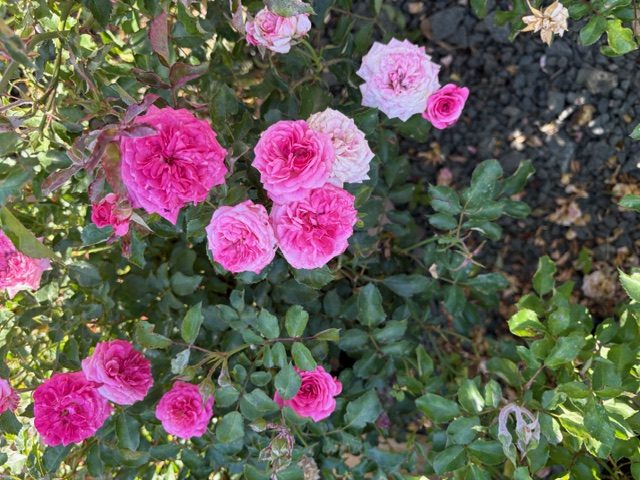
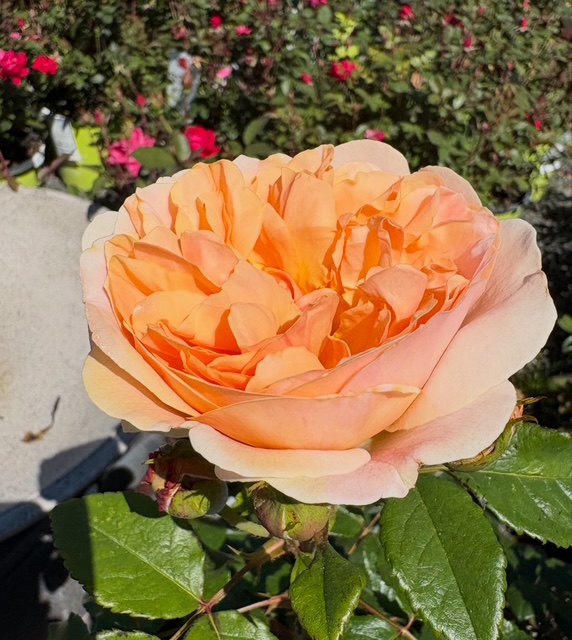
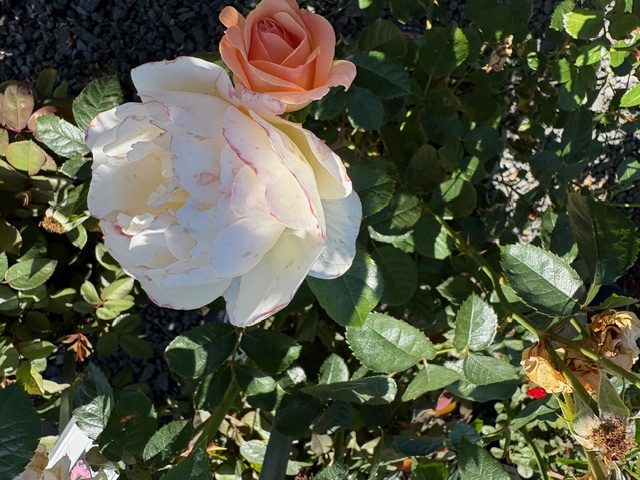
Known for their fragrance, color and classic appeal, roses remain one of the most popular ornamental plants. While some gardeners view them as difficult to maintain, experts say modern varieties are often more disease-resistant and easier to grow than their reputation suggests.
The key to healthy roses begins with proper placement. Roses thrive in locations that receive at least six hours of direct sunlight daily and have well-drained soil. Consistent watering, especially during periods of summer heat, helps establish strong roots, while regular fertilizing supports continuous growth and flowering throughout the season.
Gardeners are also encouraged to prune plants regularly, remove spent blooms and monitor for common pests and diseases such as aphids, spider mites, black spot and powdery mildew.
In the humid conditions common throughout the Hudson Valley and northern New Jersey, proper spacing between plants can be especially important. Good airflow and watering at the base of the plant rather than from overhead can help reduce moisture-related diseases.
Beyond caring for roses themselves, gardening experts say companion planting can significantly increase a garden’s ecological value.
Ruby-throated hummingbirds, which migrate from Central America and southern Mexico, are now common throughout the Hudson Valley during the summer months. Early summer is an especially active period as the birds establish territories, build nests and seek reliable nectar sources.
To attract hummingbirds and pollinators, experts recommend incorporating nectar-rich flowering plants such as bee balm, cardinal flower, honeysuckle, lantana, coral bells, columbine and salvia. Brightly colored tubular blooms in shades of red, orange and pink are particularly attractive to hummingbirds.
Providing a shallow water source, limiting pesticide use and including shrubs or small trees for shelter can further encourage wildlife to visit and remain in a garden.
“Roses can be challenging, but many modern varieties are easier to maintain and more disease-resistant,” said Stuart Leventhal, owner of Down to Earth Living. “With sunlight, water, nutrients and care, roses provide months of color and fragrance. Pairing them with hummingbird-friendly flowers such as Monarda, Cardinal Flower, Honeysuckle and Lantana creates a vibrant garden with continuous blooms and thriving wildlife.”
As interest in pollinator conservation continues to grow, gardening experts say homeowners can play an important role by creating landscapes that are both visually appealing and environmentally beneficial.
The result, they say, is a garden that not only produces spectacular blooms throughout the summer but also helps sustain the birds, bees and butterflies that are essential to a healthy ecosystem.