

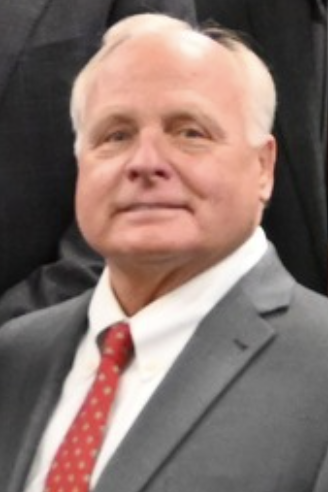
HAVERSTRAW, NY – Haverstraw Town Supervisor Howard Phillips is disputing key claims made in a recent Rockland County Business Journal article regarding the long-debated redevelopment of the former Haverstraw Chair Factory site, particularly suggestions that the town is obstructing progress on the project.
The RC Biz Journal article, published on December 15, stated that Empire State Development (ESD) has designated itself lead agency for the project and described the Chair Factory initiative as a 450-unit affordable housing development moving forward with support from multiple entities, including the Village of Haverstraw, Rockland County, and the North Rockland Central School District.
Phillips, in an interview on the Rockland News Evening Report podcast on December 16, sharply criticized the article, calling it “filled with such fabrication of the truth.” He emphasized that while the Town of Haverstraw has concerns about the proposed structure of the Payment in Lieu of Taxes (PILOT) agreement, it does not have the power to stop the development, nor has it attempted to do so.
“When it comes to pilot agreements, they can stand alone,” Phillips said. “The village can enter into a pilot agreement, the school district can, the county can — or one can opt out. It doesn’t mean the development stops.”
The Supervisor also directly refuted the article’s claim that the North Rockland Central School District had agreed to the PILOT arrangement. According to Phillips, he confirmed with Superintendent Kris Felicello that the district has not approved any agreement.
“The last time [the school district] communicated with the applicant, the applicant was not really happy with what the school district was asking for,” Phillips said.
Concerns Over Scale, Affordability, and Community Impact
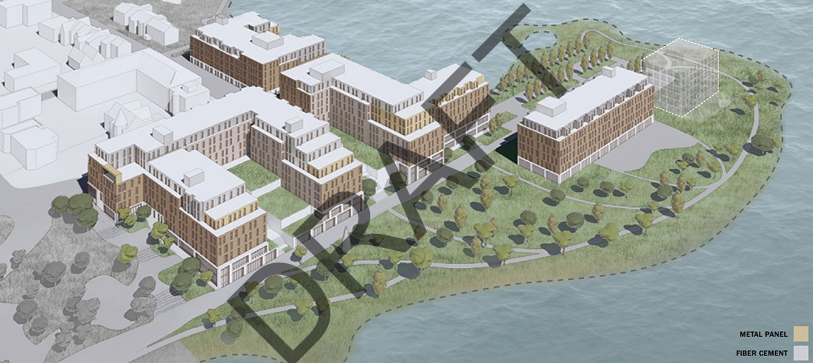
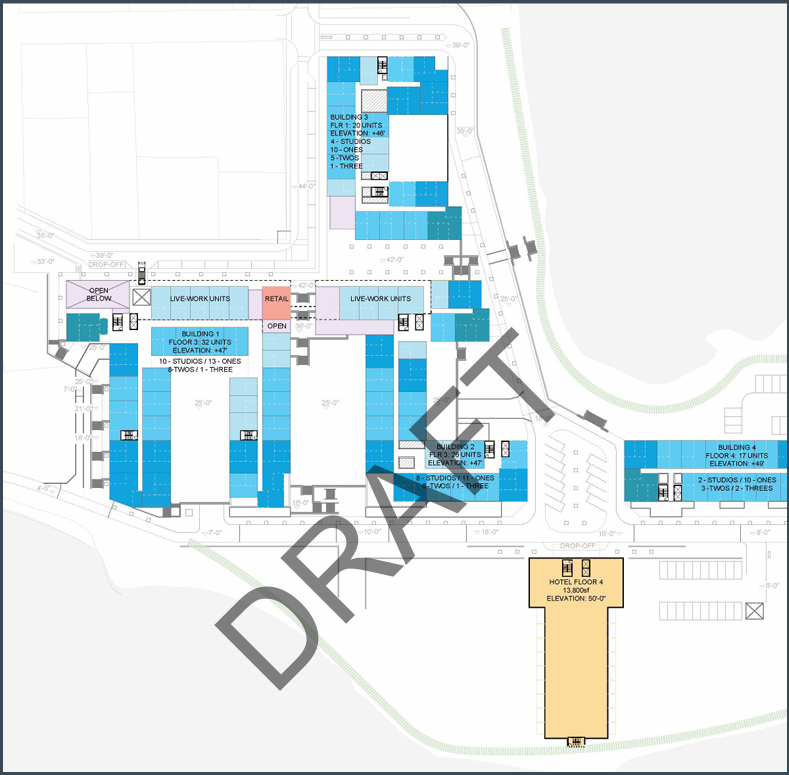
Phillips outlined a range of objections to the development plan, particularly its scale — six stories and 50 units per acre — which he said far exceeds any multifamily housing density previously approved in Haverstraw. The Town typically limits multifamily developments to around 17–20 units per acre.
He also criticized the project’s affordability metrics. According to Phillips, the proposed PILOT agreement would result in some “affordable” units paying only $800 in property taxes by 2040, while market-rate units would pay $1,800 — figures he called “unacceptable” compared to existing housing contributions. At a deficit of $1000 per unit, that would mathematically sum total to $450,000 per year loss of tax receivables.
The Supervisor further raised concerns about crime rates in the Village of Haverstraw, strained infrastructure — especially traffic on Route 9W and 202 — and long-term burdens on public safety and emergency services.
“This is a 35-year PILOT. That means everyone else will be subsidizing these residents,” Phillips stated. “We’re not a wealthy community. We have seniors on fixed incomes already struggling.”
Phillips also pointed out that Haverstraw has historically done more than most municipalities in Rockland to provide affordable housing, referencing the town’s adoption of the Emergency Tenant Protection Act and previous developments like Haverstraw Place. He suggested the state should focus on municipalities that have not contributed similarly to affordable housing goals.
Town’s Alternative Proposal
Phillips reminded Rockland News listeners that the Town of Haverstraw had offered to purchase the waterfront Chair Factory site from the Village of Haverstraw for $4 million, proposing to use the space for community-oriented development such as restaurants, parks, and youth facilities.
“This is a beautiful piece of property sitting on the Hudson River,” said Phillips. “We wanted to develop it for the residents already here. Instead, the plan is for 450 apartments, which we think is excessive.”
Looking Ahead
While the Town is still reviewing the recent communication from Empire State Development, Phillips said the town board will continue to ask why ESD is targeting municipalities like Haverstraw — which already have a high volume of affordable housing — instead of others with fewer contributions.
“Why burden municipalities and taxpayers already paying some of the highest taxes in the nation?” he asked.
Phillips concluded the interview with a call for state and federal leaders to prioritize homeownership initiatives over rental developments.
“If you want to empower people, help them become homeowners,” he said. “Don’t give millions to developers. Help families put down roots.”
Advertisements